


Why "Safer" Is the Right Word
Ask any vet nurse and they will tell you the same thing: the majority of plant-related calls they take are about cats and dogs who have chewed something they should not have. The good news is that plenty of beautiful houseplants are widely regarded as low risk around pets. The honest caveat is that no plant is completely without risk. A Labrador who eats an entire fern will still have an upset stomach, and individual animals can react differently to the same leaf.
So treat the lists below as a practical starting point rather than a guarantee, and if you are ever unsure — or your pet has already nibbled something — ring your vet straight away. With that in mind, here is how to build a collection that looks lovely and keeps the whole household calm.
Houseplants Generally Considered Low Risk
These are the plants I recommend most often to families with cats, dogs, or both. They are forgiving about ordinary UK indoor conditions, which means fewer struggling plants and less temptation to over-fuss.
- Spider plant (Chlorophytum comosum): Almost indestructible, happy in a bright room away from harsh midday sun, and it produces babies you can pot on for free.
- Parlour palm (Chamaedorea elegans): A slow-growing palm that copes with the lower light levels of a north-facing room. Ideal on a sideboard.
- Boston fern and bird's nest fern: Both enjoy a steamy bathroom or kitchen windowsill and add soft, feathery texture.
- Calathea and prayer plants (Maranta): Stunning patterned leaves, though they do prefer filtered water and consistent moisture.
- Peperomia varieties: Small, compact, and perfect for shelves where a cat cannot easily perch.
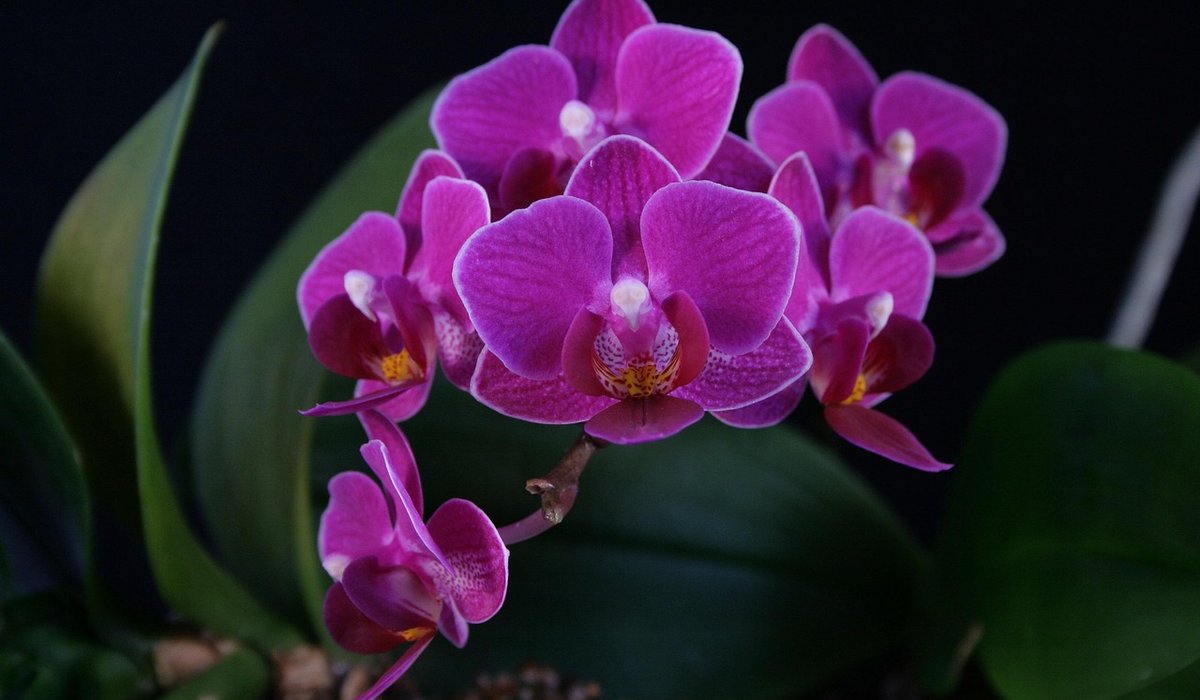
- African violets and Phalaenopsis orchids: Reliable flowering options for a bright but sun-filtered windowsill.
- Hoya and Christmas cactus: Trailing or sculptural, and tolerant of the dry air created by central heating.
If you want a genuinely hard-to-kill option for a gloomy corner, the cast iron plant (Aspidistra) is a sensible choice.
Popular Plants Worth Keeping Out of Reach
Some of the most fashionable plants on social media are the ones I would place firmly out of paw's reach. True lilies are the biggest concern for cats — even the pollen and the water in the vase can cause serious problems — so many households simply avoid keeping them indoors at all. Other common culprits include:
- Peace lilies, pothos, philodendrons, monsteras and dieffenbachia: These contain insoluble calcium oxalate crystals that cause intense burning and drooling if chewed.
- Snake plants, aloe vera, jade plants and rubber plants: Mildly to moderately toxic if ingested, and best kept high up.
- Cyclamen, amaryllis, kalanchoe and poinsettia: Seasonal favourites that are better off in a room your pets do not use.
- Sago palms: Extremely dangerous, particularly to dogs, and not worth the risk in a family home.
If you already own one of these, do not panic. Move it somewhere your pet cannot reach — a high shelf, a closed conservatory, or a room kept shut with a stair gate — and you can usually keep it happily.
Placing Plants Sensibly in Busy Family Rooms
Positioning matters as much as plant choice. In a living room where children are charging about and the dog has a favourite sofa corner, plants need to be either out of reach or robust enough to survive a knock.
As a rule of thumb, anything below about one and a half metres is fair game. Think about using:
- High shelving and wall-mounted planters above furniture, well away from the edge.
- Hanging baskets in a corner, fixed into a joist rather than plasterboard alone.
- A glass cabinet or vitrine for humidity-loving plants that also need protection.
- Heavy ceramic cachepots that will not tip when a tail sweeps past.
- Windowsills with a physical barrier, such as a shelf riser, for cats who like to leap and land.
Two small tricks make a big difference. First, cover exposed compost with a layer of pebbles or decorative stones — it deters digging and stops cats treating your pots as a litter tray. Second, avoid cocoa shell mulch, which is harmful to dogs if eaten.
Simple Habits That Keep Everyone Happier
Give cats something legal to chew. A small tray of cat grass on the floor diverts attention away from your monstera and is genuinely good for them. For dogs, keep trailing plants well above wagging height and use a sturdy, weighted pot so a curious nose cannot send soil across the carpet.
Children can be brilliant plant carers too. Teach them the "look, do not lick" rule early, show them how to water with a small jug rather than a full watering can, and let them choose a tough, pet-safe plant of their own to look after. It builds good habits and keeps little hands busy in a useful way.
Finally, review your collection season by season. UK homes change dramatically between a sunny July and a grey January, and plants that were safely tucked away in summer may need repositioning once the light drops or the radiators come on. A quick shuffle twice a year is all it takes to keep a pet-safe, family-friendly indoor garden looking its best.


Leave a reply